For many travellers, an African safari begins long before they board a plane.
It starts with wildlife documentaries, stunning photographs of lions and elephants, and dreams of endless landscapes stretching to the horizon. Expectations are built for years, creating an image of what a safari should look like.
Safari Expectations vs Reality
And surprisingly, reality is often even better.
While some experiences match exactly what travellers imagine, many of the most memorable moments are the ones they never expected. From the rhythm of early mornings to the unexpected comfort of safari lodges, a first safari has a way of changing perceptions.
Here are eight things that regularly surprise first-time travellers exploring Africa.
1. Wildlife Doesn’t Follow a Schedule
Many first-time visitors expect wildlife sightings to happen on demand.
The reality is that nature operates on its own timetable.
Some mornings begin with lions resting beside the track before sunrise. On other days, you may spend time searching before suddenly encountering a herd of elephants crossing the road or a cheetah scanning the grasslands.
The unpredictability is part of the experience.
Unlike a zoo, every sighting feels earned, making each encounter far more meaningful.
2. Early Wake-Ups Become Worth It
Few travellers get excited about alarms ringing before dawn.
Yet after a few safari mornings, many discover that sunrise becomes their Favorite part of the day.
The air is cooler, the landscapes are bathed in golden light, and wildlife is often at its most active. Predators return from night hunts, herbivores begin feeding, and the bush slowly comes alive.
What initially feels like a challenge quickly becomes one of the highlights of the journey.
3. The Most Memorable Animals Are Not Always the Big Five
Before arriving in Africa, many travellers focus on a checklist.
Lion. Leopard. Elephant. Rhino. Buffalo.
While these iconic animals are extraordinary, safari memories often come from unexpected moments.
A curious giraffe approaches the vehicle.
A troop of baboons interacting with their young.
A colourful kingfisher perched above a river.
A playful monkey watches from the forest canopy.
Many travellers leave surprised by how much they appreciate the smaller stories unfolding around them.
4. Every Game Drive Feels Different
One of the biggest misconceptions about safari travel is that each day follows the same pattern.
In reality, no two game drives are ever identical.
Weather changes.
Animal movements change.
Lighting changes.
Even familiar landscapes can feel completely different from one day to the next.
This constant variety keeps every drive exciting, even for experienced safari enthusiasts.
5. Your Guide Shapes the Entire Experience
Many travellers focus heavily on destinations when planning a safari.
What they often overlook is the importance of their guide.
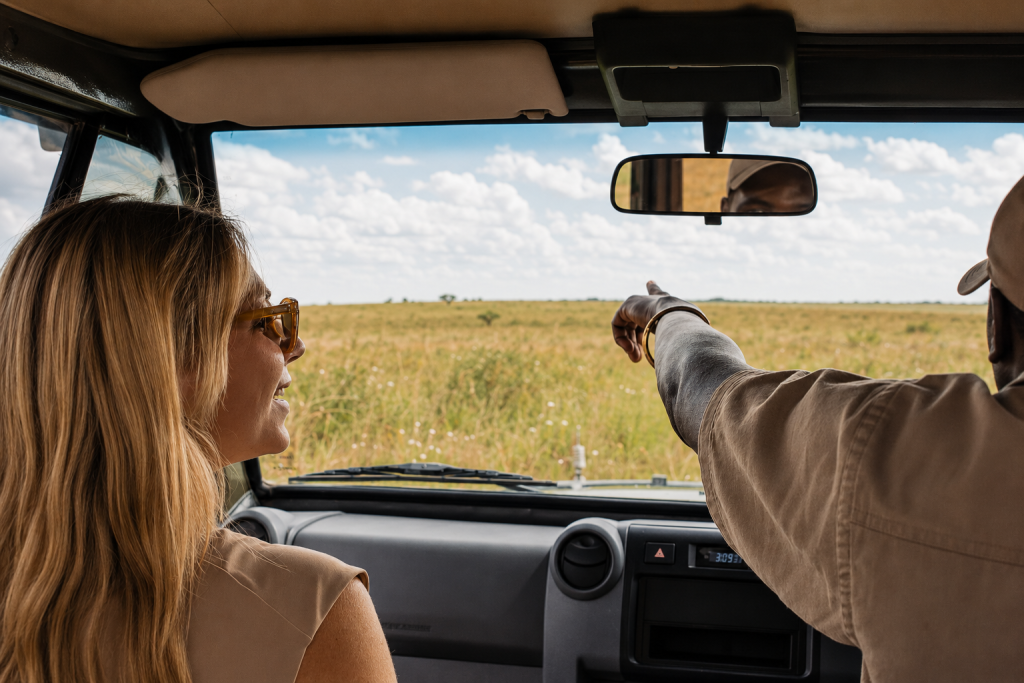
A knowledgeable guide does far more than drive a vehicle.
They interpret animal behaviour, explain ecosystems, track wildlife, share local knowledge, and transform sightings into stories.
The difference between seeing an animal and truly understanding what you are witnessing often comes down to the guide beside you.
6. Patience Creates the Best Moments
Modern life conditions us to expect immediate results.
Safari travel works differently.
Sometimes the most remarkable encounters happen after a period of waiting, watching, and simply being present.
A leopard emerging from tall grass.
A lioness calling to her cubs.
An elephant herd approaches a waterhole.
These moments cannot be rushed, and that is precisely what makes them special.
7. Safari Travel Is More Comfortable Than Most People Imagine
One of the biggest surprises for first-time visitors is the level of comfort available in safari destinations.
Many expect rough conditions and limited amenities.
Instead, they often discover elegant lodges, comfortable rooms, excellent cuisine, and exceptional hospitality.
Whether staying in a luxury lodge overlooking the savannah or a carefully designed tented camp immersed in nature, modern safari travel balances adventure with comfort remarkably well.
8. A Safari Changes More Than Your Travel Plans
Many travellers expect to return home with photographs.
What they do not expect is a new perspective.
Watching wildlife in its natural environment creates a deeper appreciation for conservation, ecosystems, and the interconnectedness of life.
Long after the journey ends, the memories remain vivid.
For many people, a first safari does not become a once-in-a-lifetime experience.
It becomes the beginning of a lifelong connection with Africa.
Why East Africa Continues to Captivate First-Time Safari Travellers
Few regions offer the diversity found across East Africa.
Travellers can witness wildlife on open savannahs, trek through mountain forests in search of primates, explore vibrant cultures, and experience some of the continent’s most spectacular landscapes within a single journey.
This variety is one reason so many visitors return again and again.
Each safari reveals something new.
Each destination tells a different story.
And each adventure leaves travellers with memories that last far beyond the trip itself.
Frequently Asked Questions About First-Time Safaris
Is an African safari suitable for first-time international travellers?
Yes. Many safari destinations are well-developed for tourism and offer experienced guides, comfortable accommodations, and organised logistics that make travel straightforward.
How many days should a first safari be?
Most travellers find that 5 to 10 days provides enough time to enjoy wildlife viewing without feeling rushed.
Is it difficult to see wildlife?
Wildlife sightings can never be guaranteed, but experienced guides significantly increase the chances of memorable encounters.
What should I pack for a safari?
Neutral-coloured clothing, comfortable walking shoes, sun protection, a camera, and binoculars are among the most useful items.
Will I see the Big Five?
Many safari destinations offer opportunities to see the Big Five, although every safari experience is unique and sightings depend on wildlife movements.