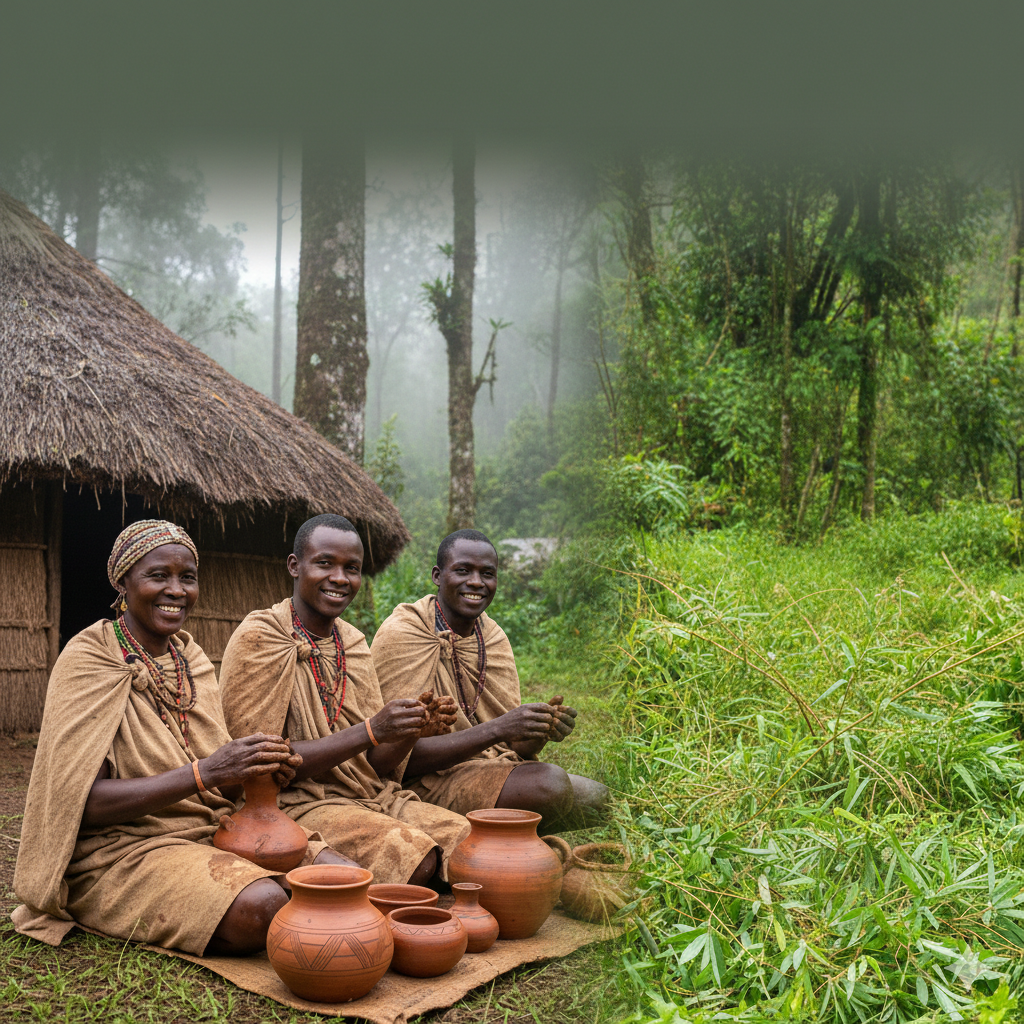
Who Are the Batwa of Rwanda?
The Batwa are one of the oldest indigenous communities in the Great Lakes region of Africa. Traditionally forest dwellers, they lived for generations in the dense rainforests that now form part of Rwanda’s protected national parks.
Before the creation of protected areas such as Volcanoes National Park, the Batwa depended on the forest for survival. They practiced hunting and gathering, possessed deep ecological knowledge, and maintained a spiritual connection to the land.
Today, the Batwa are recognized as one of Rwanda’s historically marginalized communities. Understanding their story provides important context for travelers exploring Rwanda’s conservation areas.
Forest Life Before Conservation
For centuries, the Batwa lived sustainably within the forests of the Virunga region. Their livelihoods were closely tied to:
- Small-game hunting
- Gathering wild fruits and plants
- Traditional herbal medicine
- Clay pottery
When national parks were established to protect endangered species such as the mountain gorilla, forest communities were relocated outside protected areas. Conservation has been critical for saving wildlife, but it also significantly changed the Batwa’s traditional way of life.
Recognizing this history is essential when visiting Rwanda’s national parks today.
Conservation and Community: A Complex Relationship
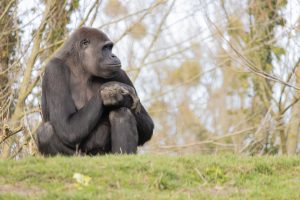
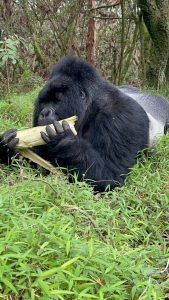
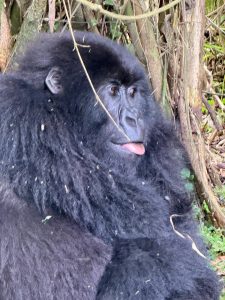
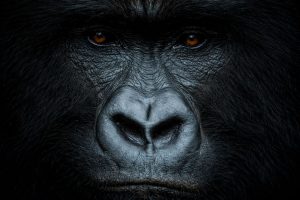
Rwanda is now globally respected for its conservation success, especially in protecting mountain gorillas in Volcanoes National Park.
Gorilla trekking tourism plays a major role in:
- Funding anti-poaching patrols
- Supporting park management
- Contributing to community development funds
However, the creation of protected areas also required balancing environmental protection with social responsibility.
Today, Rwanda continues to improve community benefit-sharing programs to ensure tourism contributes to local development.
Responsible tourism means acknowledging both conservation achievements and community realities.
Batwa Culture Today
Despite displacement from ancestral forests, the Batwa continue to preserve important aspects of their cultural heritage, including:
- Traditional dance and storytelling
- Pottery craftsmanship
- Oral history traditions
- Community-led cultural experiences
Some Batwa communities now participate in structured cultural tourism initiatives designed to:
- Share knowledge respectfully
- Generate income
- Preserve cultural identity
When done ethically, these experiences can provide meaningful cultural exchange rather than spectacle.
Responsible Travel: How Visitors Can Support
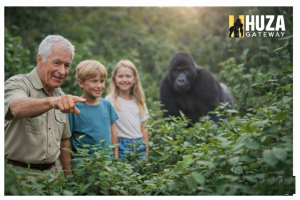
Travelers visiting Volcanoes National Park for gorilla trekking can contribute positively by:
- Choosing locally engaged safari operators
- Supporting community-based initiatives
- Purchasing crafts directly from cooperatives
- Learning about Rwanda’s conservation and social history
Responsible tourism is not only about wildlife, but it’s also about people.
If you are planning gorilla trekking in Rwanda, consider reading our detailed guide here:
also read Visit Rwanda – A Complete Safari & Travel Guide 2026
Understanding the broader social and conservation context enhances the experience.
Connecting Culture with Conservation Tourism
Mountain gorilla conservation is one of Africa’s great environmental success stories. Tourism revenue has helped increase gorilla populations while positioning Rwanda as a premium wildlife destination.
Extended safari itineraries often combine:
- Gorilla trekking in Volcanoes National Park
- Cultural visits in the surrounding communities
- Lake Kivu relaxation
- Wildlife safaris in Akagera
Explore Rwanda Gorilla Trekking and Cultural Safari Packages
Integrating culture respectfully into safari planning allows travelers to experience Rwanda more holistically.
A Thoughtful Approach to Cultural Encounters
When engaging with indigenous communities anywhere in the world, including Rwanda, it is important to:
- Avoid treating culture as entertainment
- Seek experiences that are community-led
- Respect privacy and dignity
- Understand historical context
Travel can be a tool for learning and empowerment when approached thoughtfully.
Finally, the story of the Batwa community is part of Rwanda’s broader history of conservation, resilience, and transformation.
While national parks protect endangered species like mountain gorillas, sustainable tourism must also contribute to community well-being.
As Rwanda continues strengthening conservation and social development initiatives, responsible travelers have the opportunity to support both environmental protection and cultural preservation.
If you are planning a Rwanda safari or gorilla trekking experience, understanding this context adds depth and meaning to your journey.
About the Author
Written by Enock M – Rwanda Safari Specialist & Tourism Consultant.
Enock Musabyimana is a Rwanda-based independent safari specialist with extensive experience in gorilla trekking, conservation tourism, and East African wildlife logistics. He collaborates with leading safari operators and hospitality partners across the region, supporting itinerary design, permit coordination, and strategic sales development.
While working closely with established companies such as Huza Gateway, he also advises and supports other reputable tourism brands to help travelers experience seamless, locally guided, and sustainable safaris across East Africa.